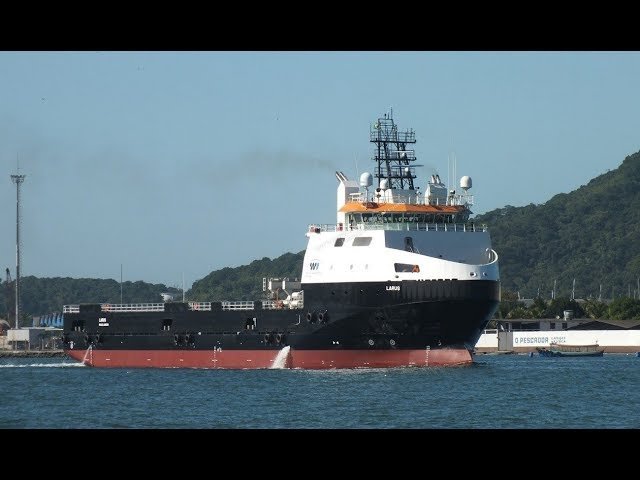

A psv vessel, also known as a Platform Supply Vessel, is a specialized offshore support ship designed to transport essential supplies, equipment, fuel, water, drilling materials, and cargo to offshore oil and gas platforms, drilling rigs, wind farms, and other marine installations. In the offshore energy industry, a psv vessel plays a critical role in keeping operations running safely, efficiently, and continuously. Without these vessels, offshore platforms would struggle to receive the daily resources required for drilling, production, maintenance, and crew support.
Unlike ordinary cargo ships, a psv vessel is built specifically for demanding offshore conditions. It must handle rough seas, dynamic positioning, heavy deck cargo, liquid bulk cargo, hazardous materials, and time-sensitive deliveries. These vessels are often seen operating between shore bases and offshore platforms, carrying everything from pipes and containers to cement, drilling mud, chemicals, potable water, spare parts, and fuel. Because offshore assets are located far from land, the psv vessel acts as a floating logistics bridge between the port and the platform.
What Is a PSV Vessel and Why Is It Important?
A psv vessel is an offshore service vessel created to support marine energy operations by delivering supplies and removing waste or used materials from offshore sites. The term “PSV” stands for Platform Supply Vessel, and its main purpose is to serve offshore platforms where helicopters, small boats, or standard cargo ships are not practical for large-scale logistics. A psv vessel usually has a large open rear deck where containers, equipment, pipes, machinery, and other heavy supplies can be safely loaded and secured. Below deck, it also has tanks for carrying liquid cargo such as fuel oil, fresh water, drilling mud, brine, base oil, and bulk chemicals.
The importance of a psv vessel becomes clear when you consider how offshore platforms operate. A drilling rig or production platform may be located dozens or even hundreds of kilometers from shore. It needs constant deliveries of technical supplies, spare equipment, consumables, and safety materials. At the same time, it may need to send waste, empty containers, damaged tools, or used drilling fluids back to shore. A psv vessel handles this two-way supply chain in a controlled and efficient manner.
Moreover, the offshore environment is unpredictable. Strong waves, high winds, limited visibility, and strict safety requirements make supply operations complex. This is why a modern psv vessel is equipped with advanced navigation systems, cargo-handling technology, safety systems, and often dynamic positioning capabilities. Dynamic positioning allows the vessel to maintain its position near an offshore platform without anchoring, reducing the risk of collision and improving operational accuracy. Therefore, a psv vessel is not just a transport ship; it is a highly engineered offshore logistics asset that supports productivity, safety, and reliability.
Main Features of a PSV Vessel
A modern psv vessel includes several design features that make it suitable for offshore supply operations. One of the most recognizable features is the wide open cargo deck at the stern. This deck is designed to carry offshore containers, pipes, project cargo, spare parts, and equipment used in drilling or production. The deck is usually reinforced to handle heavy loads and is often fitted with strong securing points to prevent cargo movement during rough weather. Because offshore cargo can be expensive and sensitive, safe deck arrangement is one of the most important parts of psv vessel design.
Another key feature is the vessel’s liquid and bulk cargo capacity. A psv vessel usually contains multiple specialized tanks below deck for different materials. These may include marine diesel oil, potable water, drill water, liquid mud, cement, barite, bentonite, brine, and other offshore chemicals. Separate pumping systems allow the vessel to transfer these materials safely to the offshore platform. This flexibility makes the psv vessel highly valuable because it can carry both dry deck cargo and liquid bulk cargo on the same trip.
In addition, many PSV vessels are fitted with dynamic positioning systems, commonly known as DP systems. DP technology uses thrusters, sensors, GPS, and control computers to keep the vessel in a fixed position near a platform. This is especially important during cargo transfer, when the vessel must stay close enough for crane operations but far enough to avoid collision. Other features may include bow thrusters, stern thrusters, firefighting systems, oil recovery equipment, emergency response tools, and advanced bridge controls.
Crew accommodation is also part of the vessel’s design. A psv vessel needs trained officers, engineers, deck crew, and sometimes additional technical personnel. Therefore, the vessel includes cabins, galley areas, control rooms, workshops, and safety stations. Together, these features allow the psv vessel to work reliably in demanding offshore conditions while supporting a wide range of marine logistics tasks.
How Does a PSV Vessel Work in Offshore Operations?
The working cycle of a psv vessel usually begins at a shore base or offshore supply port. At the port, cargo is prepared, inspected, documented, and loaded onto the vessel. Deck cargo may include containers, drilling tools, pipes, machinery, spare parts, food supplies, and maintenance materials. Liquid cargo is pumped into dedicated tanks, while dry bulk cargo such as cement or barite is loaded into pressure tanks or silos. Before departure, the crew checks cargo security, stability calculations, weather forecasts, route plans, safety procedures, and communication systems.
Once loaded, the psv vessel sails to the offshore location. During the voyage, the crew monitors vessel performance, sea conditions, cargo status, and navigation. When the vessel reaches the platform or rig, it communicates with the offshore installation and waits for permission to approach. If the vessel has dynamic positioning capability, it uses DP systems to hold position while cargo operations take place. Offshore cranes from the platform lift deck cargo from the vessel’s rear deck, while hoses and pumping systems transfer liquids or bulk materials from the vessel to the platform.
The operation requires careful coordination between the vessel crew and offshore platform team. Weather, wave height, wind direction, crane capacity, visibility, and safety zones all affect how cargo transfer is performed. If conditions become unsafe, the psv vessel may move away and wait until the weather improves. This cautious approach is necessary because offshore supply work involves heavy equipment, hazardous materials, and limited space.
After delivering supplies, the psv vessel may take return cargo back to shore. This could include empty containers, waste materials, used equipment, recovered fluids, or items needing repair. The vessel then returns to the supply base, unloads the return cargo, cleans tanks if required, and prepares for the next offshore voyage. This repeated cycle makes the psv vessel an essential part of offshore logistics and marine support operations.
Types of Cargo Carried by a PSV Vessel
A psv vessel is designed to carry a wide variety of cargo, which makes it one of the most versatile offshore support vessels. The most visible cargo is deck cargo. This includes offshore containers, pipes, reels, pallets, machinery, spare parts, tools, and equipment needed for drilling, production, construction, or maintenance. Deck cargo must be carefully arranged to maintain vessel stability and ensure safe lifting by offshore cranes. Since offshore operations often involve expensive technical equipment, cargo planning is a major responsibility.
Liquid cargo is another important category. A psv vessel may transport diesel fuel, fresh water, drill water, liquid mud, brine, base oil, and specialized chemicals. These materials are stored in dedicated tanks and transferred using controlled pumping systems. Drilling mud, for example, is used to support drilling operations by cooling drill bits, carrying cuttings, and controlling pressure. Because these fluids can be heavy and chemically complex, the vessel must be built with suitable tank coatings, pumps, pipelines, and monitoring equipment.
Dry bulk cargo is also common. A psv vessel may carry cement, barite, bentonite, and other powdered materials used in drilling and well operations. These substances are usually stored in pressurized tanks and discharged through pneumatic systems. Proper handling is essential because contamination, moisture, or transfer problems can affect offshore work.
In addition to operational supplies, a psv vessel may transport food, packaged materials, safety equipment, protective gear, and general consumables for offshore workers. Some vessels may also carry waste cargo back to shore, including used fluids, scrap materials, empty containers, and non-hazardous or regulated waste. As a result, a psv vessel supports both supply delivery and waste management, making it a vital part of offshore environmental and operational control.
PSV Vessel Design, Safety, and Technology
The design of a psv vessel focuses on stability, safety, cargo efficiency, and offshore maneuverability. Since the vessel often works close to fixed platforms, floating rigs, or subsea construction sites, it must be able to maneuver precisely in limited space. This is why many modern PSV vessels use advanced propulsion systems, bow thrusters, stern thrusters, and dynamic positioning technology. These systems help the vessel maintain a safe position even when waves, wind, and currents push against it.
Safety is a major priority in psv vessel operations. Offshore supply vessels may carry fuel, chemicals, drilling fluids, and heavy cargo, so they must follow strict marine safety regulations. Fire detection systems, firefighting equipment, emergency shutdown systems, gas detection, lifesaving appliances, and pollution prevention systems are commonly installed. Crew members are trained in emergency response, cargo handling, firefighting, man-overboard procedures, and offshore communication protocols. Before every operation, safety meetings and risk assessments help reduce the chances of accidents.
Technology has also improved the performance of the psv vessel. Modern vessels may include integrated bridge systems, electronic chart display systems, radar, automatic identification systems, satellite communication, cargo monitoring software, tank level sensors, and fuel efficiency tools. Some new-generation PSV vessels are also designed with hybrid propulsion, battery assistance, or lower-emission engines to reduce environmental impact. As offshore wind and cleaner energy projects expand, PSV vessel technology is also adapting to support renewable energy infrastructure.
Environmental protection is another important part of vessel design. Offshore operations must minimize spills, emissions, and waste discharge. Therefore, a psv vessel may include double-hull protection, spill containment equipment, waste storage systems, and fuel-efficient hull forms. These features help operators meet environmental standards while maintaining reliable offshore support.
Read Also: How Blockchain Technology Enhances Supply Chain Transparency
PSV Vessel Uses Beyond Oil and Gas
Although the psv vessel is strongly associated with offshore oil and gas, its role is expanding into other marine industries. Offshore wind energy is one of the fastest-growing sectors where PSV vessels can provide support. Wind farms require vessels to transport tools, spare parts, cables, construction materials, and maintenance supplies to offshore turbine sites. While specialized service operation vessels and crew transfer vessels are also used in wind energy, a psv vessel can still support larger logistics requirements and project cargo movement.
PSV vessels may also be used in subsea construction, marine research, emergency response, and offshore maintenance. In subsea projects, they can carry remotely operated vehicle equipment, survey tools, cable systems, and support containers. Some PSV vessels are modified to perform standby, rescue, firefighting, or oil spill response duties. Their large deck space, tank capacity, and offshore endurance make them suitable for many specialized marine support tasks.
Another growing use is decommissioning support. As older offshore platforms reach the end of their operating life, they must be safely dismantled and removed. A psv vessel can help transport tools, materials, waste, and equipment during this process. Because decommissioning involves strict environmental and safety controls, reliable supply vessels are essential.
In short, the psv vessel remains highly relevant even as the offshore industry changes. Its core strengths—cargo flexibility, offshore endurance, safety systems, and marine logistics capability—make it useful across oil, gas, wind energy, construction, and environmental support operations.
Conclusion
A psv vessel is one of the most important support ships in the offshore maritime industry. It connects shore bases with offshore platforms, rigs, wind farms, and marine project sites by transporting essential supplies, equipment, fuel, water, drilling materials, chemicals, and return cargo. Designed with large deck space, specialized tanks, advanced navigation systems, and safety technology, a psv vessel is built to perform in challenging offshore environments.
From oil and gas drilling to offshore wind development and subsea construction, the psv vessel continues to support critical marine operations around the world. Its ability to carry different cargo types, operate near offshore structures, and maintain safe logistics makes it a valuable asset for energy companies, marine contractors, and offshore operators. As technology advances and offshore industries evolve, PSV vessels will remain central to efficient, safe, and sustainable offshore supply chains.
FAQs About PSV Vessel
What does PSV vessel mean?
A psv vessel means Platform Supply Vessel. It is an offshore support ship used to transport cargo, fuel, water, drilling materials, equipment, and supplies to offshore platforms, rigs, and marine installations.
What is the main purpose of a psv vessel?
The main purpose of a psv vessel is to support offshore operations by delivering essential supplies from shore bases to offshore platforms and bringing waste, empty containers, or used equipment back to land.
What cargo does a psv vessel carry?
A psv vessel can carry deck cargo, liquid cargo, and dry bulk cargo. Common examples include pipes, containers, diesel fuel, fresh water, drilling mud, cement, barite, chemicals, spare parts, food supplies, and offshore equipment.
How is a psv vessel different from a normal cargo ship?
A psv vessel is specially designed for offshore work. Unlike a normal cargo ship, it has offshore cargo decks, specialized tanks, dynamic positioning systems, powerful maneuvering equipment, and safety features for operating close to platforms and rigs.
Are PSV vessels used only in oil and gas?
No. Although PSV vessels are widely used in oil and gas, they can also support offshore wind farms, subsea construction, platform decommissioning, marine research, emergency response, and other offshore projects.
Why is dynamic positioning important for a psv vessel?
Dynamic positioning helps a psv vessel maintain its position near an offshore platform without anchoring. This improves safety during cargo transfers and reduces the risk of collision in rough sea conditions.
How many crew members work on a psv vessel?
The crew size depends on the vessel size, operating area, and job requirements. A typical psv vessel may have officers, engineers, deck crew, cooks, and support personnel, along with additional specialists when required.