ByJohn A
How Ambient Computing Supports Smart Homes
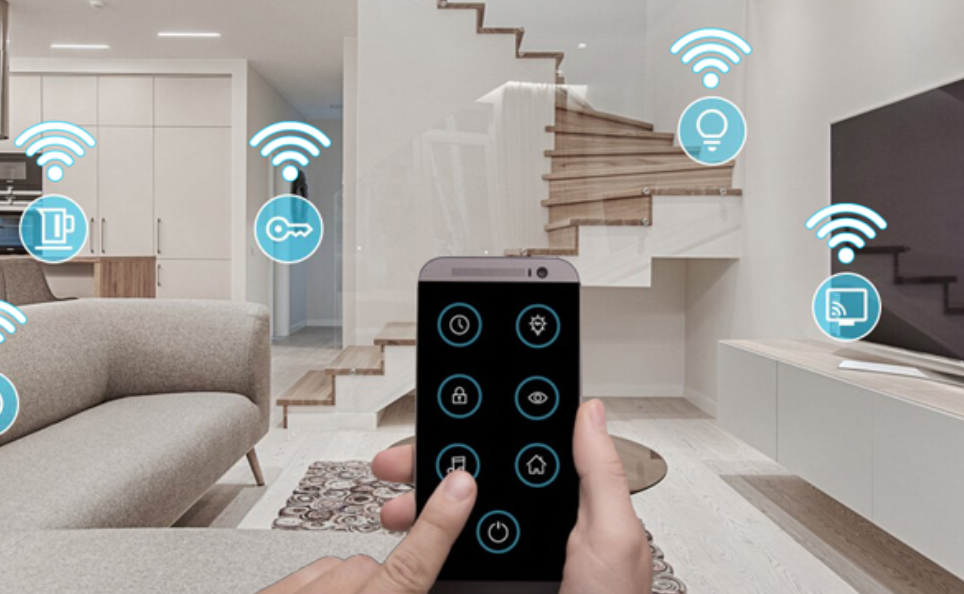
Ambient computing weaves devices and systems into a seamless home layer. It uses ambient sensing to infer context, guiding climate, lighting, and acoustics without explicit commands. Real-time insights enable proactive adjustments that boost comfort and curb energy use. Interoperable standards and vendor-agnostic tools support scalable orchestration, while privacy safeguards focus on minimal data collection and clear governance. The result is a context-aware, transparent home—with potential implications that invite closer examination as technology evolves.
What Ambient Computing Is for Smart Homes
Ambient computing for smart homes refers to an integrated technology approach where devices and systems operate seamlessly in the background, collecting data and responding to user needs without explicit commands.
Strategic, customer-centric insight shows ambient sensing informs context inference, powering privacy safeguards and data governance.
Device orchestration and interoperable standards enable user friendly interfaces, energy optimization, and scalable, freedom-preserving experiences.
How Context Awareness Drives Comfort and Efficiency
Context awareness positions smart homes to adapt proactively to occupant needs, translating real-time sensor data into precise adjustments that enhance comfort and reduce energy use.
This approach leverages ambient sensing to tailor climate, lighting, and acoustics, prioritizing user comfort while delivering energy efficiency.
Decisions are data-informed, transparent, and scalable, supporting a freedom-minded experience without compromising control or simplicity.
See also: How Analytics Improve Employee Engagement
Ensuring Privacy, Security, and Control at Home
To ensure privacy, security, and user control in ambient computing-enabled homes, a deliberate framework governs data collection, storage, and access, emphasizing minimal data use, robust encryption, and transparent governance.
The approach highlights privacy risks, consent mechanisms, and security considerations, guiding data minimization while empowering users with clear controls, audits, and trusted vendors, aligning protections with freedom-driven, customer-centric, data-informed strategies.
Building a Practical Ambient Home: Steps, Tools, and Next Bets
How can a homeowner translate ambient computing concepts into a practical, reliable living environment? A practical ambient home blends contextual interfaces, energy dashboards, device orchestration, and ambient sensors to deliver seamless control, transparent metrics, and adaptive comfort.
Strategic steps prioritize interoperability, data-informed decisions, and vendor-agnostic tools, enabling freedom-seeking households to optimize efficiency, reliability, and wellbeing without sacrificing privacy or autonomy.
Frequently Asked Questions
What Are Common Costs for Ambient Computing Devices at Home?
Average costs for ambient computing devices vary widely, depending on hardware, software, and services. Cost variability arises from feature sets and ecosystems. Installation challenges include integration complexity and ongoing maintenance, but customers seek flexible, scalable, data-informed, freedom-focused choices.
How Do Ambient Systems Handle Energy Consumption in Real Time?
Ambient systems monitor ambient energy and real time consumption, balancing efficiency with comfort. They juxtapose quiet sensors against dynamic dashboards, delivering strategic, customer-centric insights. Data-informed actions empower users seeking freedom while reducing waste and enhancing home performance.
Can Ambient Tech Support Multi-User Households With Differing Needs?
Ambient tech can support multi-user households by adapting to diverse routines, preferences, and permissions, leveraging multi user dynamics and personalized contexts to deliver tailored comfort while preserving autonomy; decisions are data-informed, strategic, and customer-centric for freedom-seeking users.
What Happens if Sensors Malfunction or Misinterpret Context?
Sensor reliability falters, context misinterpretation may trigger incorrect actions; safeguards and redundancy mitigate risks. The strategy emphasizes transparent diagnostics, continuous monitoring, and user-configurable overrides, ensuring data-informed decisions empower customers while preserving freedom and trust in ambient systems.
Do Ambient Assistants Learn and Adapt to Changing Routines Over Years?
Yes, ambient assistants learn and adapt to changing routines over years, refining suggestions while preserving user control and consent; organizations emphasize privacy implications, transparent data handling, and customer-centric APIs, enabling flexible automation without compromising personal freedom or autonomy.
Conclusion
Ambient computing threads a quiet intelligence through the home, like a dawn breeze tuning thermostats, dimming lights, and syncing acoustics with inhabitant rhythms. From context-aware comfort to energy-aware efficiency, it aligns devices around human needs with evidence-backed precision. Privacy guards stand sentinel, ensuring trust as data becomes a steward, not a guest. For customers, this means tangible returns: fewer hassles, clearer control, and a living space that anticipates, learns, and gracefully supports daily life. The future feels both calm and capable.