ByJohn A
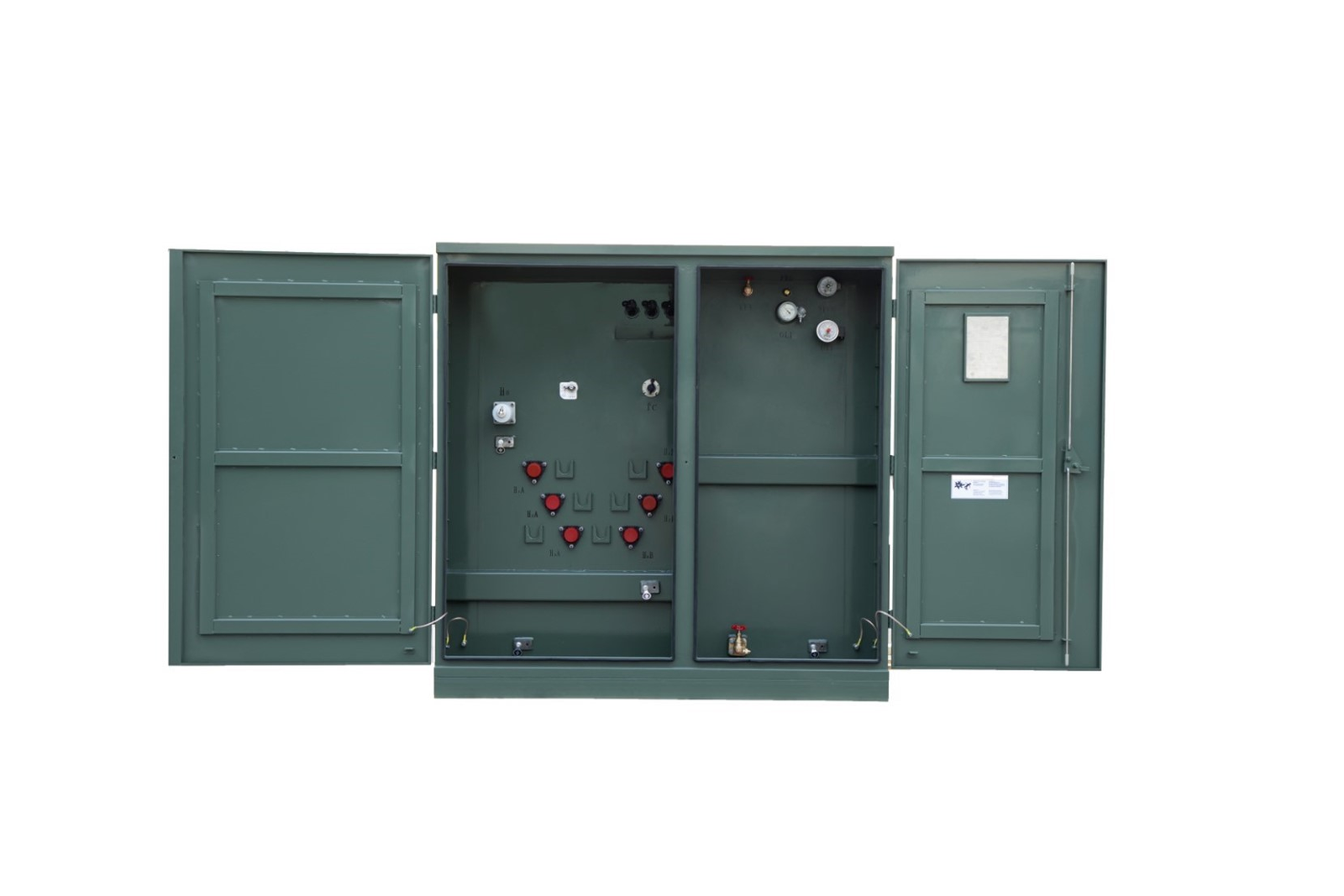
Robust Grounding Delta Transformer Solutions Delivering Improved Grid Reliability
Reliable electrical grids require advanced equipment that can maintain system stability, manage faults effectively, and ensure uninterrupted power delivery. Among the specialized technologies used in modern electrical networks, grounding delta transformers play a vital role by providing a controlled grounding path and improving protection against electrical disturbances.
Electrical systems must be prepared to handle unexpected conditions, including ground faults, voltage imbalances, and transient events. Without an effective grounding solution, these challenges can result in equipment damage, power disruptions, and increased safety concerns. Grounding delta transformers help mitigate these risks by enhancing fault control, improving system performance, and supporting safer electrical operations.
Engineered for utility networks, industrial environments, and specialized power applications, these transformers deliver reliable performance in systems where electrical protection, stability, and operational continuity are essential.
Understanding Grounding Delta Transformer Technology
A grounding delta transformer is a specialized transformer configuration used to establish a neutral grounding point in electrical systems that do not naturally provide one. It is commonly applied in delta-connected power systems where additional grounding support is required.
In many delta systems, there is no direct neutral connection available. This can make detecting and managing ground faults more challenging. A grounding transformer creates an artificial neutral point, allowing protective devices to identify faults and respond effectively.
These transformers are commonly used to:
- Improve system grounding
- Control fault current levels
- Support protective relay operation
- Reduce electrical stress
- Improve overall grid stability
By providing a reliable grounding reference, these transformer solutions strengthen electrical networks and improve operational safety.
Importance of Grounding in Power Distribution Systems
Grounding is a fundamental aspect of electrical system design. A properly grounded system provides a safe path for fault currents and helps prevent dangerous voltage conditions.
Effective grounding supports:
- Personnel safety
- Equipment protection
- Stable system operation
- Faster fault clearance
- Improved power quality
Without proper grounding, electrical faults may remain undetected or create excessive stress on system components.
Grounding delta transformers provide a practical solution for networks that require additional grounding capability while maintaining the advantages of delta-connected systems.
How Grounding Delta Transformers Improve Grid Reliability
Creating a Stable Neutral Reference
One of the primary functions of a grounding delta transformer is creating a neutral point where one does not naturally exist.
This allows the electrical system to maintain controlled voltage relationships during normal operation and fault conditions.
A stable neutral reference improves:
- Fault detection accuracy
- Protection system response
- Voltage stability
- Equipment performance
Managing Ground Fault Conditions
Ground faults are among the most common challenges in electrical systems.
When a fault occurs between a conductor and ground, the grounding transformer provides a controlled path for fault current flow. This allows protective devices to detect the issue and isolate the affected section.
Benefits include:
- Reduced equipment damage
- Faster fault response
- Improved system recovery
- Increased operational safety
Supporting Protective Equipment
Modern electrical networks rely on protective relays and monitoring devices to maintain reliability.
Grounding delta transformers enable these systems to function effectively by providing accurate fault current information.
This improves coordination between:
- Circuit breakers
- Protective relays
- Monitoring systems
- Grid control equipment
Key Features of Robust Grounding Delta Transformer Solutions
Durable Electrical Construction
High-quality transformer construction ensures reliable performance under demanding operating conditions.
Important design elements include:
- Strong magnetic cores
- High-quality windings
- Advanced insulation systems
- Robust mechanical structures
These features help transformers withstand electrical stress and provide long service life.
Efficient Fault Current Management
A properly designed grounding transformer controls fault current levels to protect electrical infrastructure.
This prevents excessive current flow that could damage:
- Switchgear
- Cables
- Generators
- Distribution equipment
Controlled fault management improves system resilience and reduces repair requirements.
Thermal Performance and Cooling
Effective heat management is essential for transformer reliability.
Advanced grounding delta transformers use optimized cooling methods to maintain safe operating temperatures during continuous operation.
Proper thermal design helps:
- Extend insulation life
- Improve efficiency
- Maintain consistent performance
- Reduce maintenance needs
Reliable Insulation Protection
Electrical insulation protects transformer components from breakdown caused by voltage stress.
Modern insulation systems provide:
- Improved dielectric strength
- Better temperature resistance
- Enhanced operational safety
Reliable insulation contributes significantly to long-term transformer performance.
Applications of Grounding Delta Transformers
Utility Power Networks
Electrical utilities use grounding delta transformers to improve the reliability of distribution and transmission systems.
They help utilities manage:
- Ground fault conditions
- Network stability
- Protection coordination
- System continuity
These transformers are especially valuable in areas where dependable electricity supply is essential.
Industrial Power Systems
Industrial facilities often operate complex electrical networks with heavy equipment and sensitive controls.
Grounding transformers support industries by improving electrical protection for:
- Manufacturing equipment
- Motors
- Processing systems
- Automation networks
Stable grounding reduces the risk of production interruptions caused by electrical faults.
Renewable Energy Installations
Renewable energy systems require advanced electrical management to integrate power generation sources safely.
Grounding delta transformers are used in applications such as:
- Solar power facilities
- Wind energy projects
- Energy storage systems
They help maintain grid stability and support safe connection between renewable sources and electrical networks.
Mining and Heavy Infrastructure
Mining operations and large infrastructure projects often require reliable electrical systems in challenging environments.
Grounding transformer solutions provide additional protection against electrical faults while supporting continuous operation.
Advantages of Implementing Grounding Delta Transformer Solutions
Enhanced Grid Stability
A reliable grounding system helps maintain predictable electrical behavior during normal operation and fault events.
This improves overall grid stability and reduces unexpected disruptions.
Improved Safety Performance
Grounding transformers reduce electrical hazards by controlling fault currents and supporting effective protection systems.
This creates safer environments for operators and maintenance teams.
Reduced Equipment Stress
Electrical faults can place significant stress on system components.
By managing fault conditions effectively, grounding transformers help extend the lifespan of:
- Transformers
- Switchgear
- Generators
- Distribution equipment
Better Protection Coordination
A properly grounded system allows protective devices to operate more accurately.
This improves coordination between different protection elements and minimizes unnecessary shutdowns.
Selecting the Right Grounding Delta Transformer
Choosing an appropriate grounding transformer requires careful consideration of system requirements.
System Voltage Requirements
The transformer must match the electrical characteristics of the network where it will be installed.
Correct voltage selection ensures safe and efficient operation.
Fault Current Requirements
Engineers must evaluate expected fault conditions to determine the appropriate transformer design.
Proper sizing ensures effective grounding performance.
Installation Environment
Environmental conditions influence transformer selection.
Important factors include:
- Indoor or outdoor installation
- Temperature variations
- Moisture exposure
- Space limitations
- Maintenance accessibility
Quality Manufacturing Standards
Reliable transformers should be manufactured using high-quality materials and tested according to recognized electrical standards.
Proper testing ensures dependable operation and long-term reliability.
See also: How Blockchain Technology Enhances Supply Chain Transparency
Maintenance Practices for Long-Term Reliability
Although grounding delta transformers are designed for durability, regular maintenance improves performance.
Recommended practices include:
Routine Inspections
Visual inspections help identify issues such as:
- Corrosion
- Physical damage
- Loose connections
- Overheating signs
Electrical Testing
Periodic testing verifies insulation condition, winding performance, and grounding effectiveness.
Condition Monitoring
Advanced monitoring systems can track transformer performance and identify early signs of potential problems.
Future Role of Grounding Transformer Technology
As electrical networks become more complex, grounding solutions will continue to play an important role in improving reliability.
Future developments are expected to focus on:
- Smarter monitoring systems
- Improved fault analysis
- Enhanced grid automation
- Greater integration with renewable energy
These advancements will help create more resilient and efficient electrical networks.
Conclusion
Robust grounding delta transformer solutions delivering improved grid reliability provide an essential foundation for safe and stable electrical systems. By creating reliable grounding paths, managing fault conditions, and supporting protective equipment, these transformers improve the performance and resilience of modern power networks.
From utility distribution systems and industrial facilities to renewable energy applications, grounding delta transformers help maintain electrical stability while protecting valuable infrastructure.
As power demands continue to increase, investing in advanced grounding transformer technology remains a critical step toward building safer, more reliable, and more efficient electrical grids.